Showing posts with label Canals. Show all posts

Wednesday, 15 August 2012

Brussels–Charleroi Canal

The Brussels–Charleroi Canal, also known as the Charleroi Canal is an important canal in Belgium. It runs from Charleroi in the south to Brussels in the north. The Ronquières inclined plane is the most remarkable feature of the canal. 

Image of Brussels–Charleroi Canal


Image of Brussels–Charleroi Canal
 Image of Brussels–Charleroi Canal


Monday, 24 October 2011

klong Canal, Thailand

A klong is the general name for a canal in the central plain of Thailand. The klong were used for transportation and for floating markets, but also for sewage. Today, most of the klongs of Bangkok have been filled in and converted into streets. The traditional floating markets now exist mainly as tourist attractions, the most famous one at Damnoen Saduak in the Ratchaburi province.

Images of Klong, Thailand


Tuesday, 23 August 2011

Manchester Ship Canal
The Manchester Ship Canal situated in North West England. It was built between 1887 and 1894 at a cost of about £15 million, and in its day was the largest river navigation canal in the world. It was opened for traffic on January 1, 1894. It is 58 km long generally follows the original route of the rivers Mersey and Irwell, and along its course uses several sets of locks. The minimum depth is 26 feet, and the time required for navigating the canal from five to eight hours. The total amount of excavation in the canal and docks was about 45,000,000 cubic yards, of which about one-fourth was sandstone rock. The lock gates are operated by hydraulic power; railways and bridges crossing the route of the canal have been raised to give a height of 75 feet to vessels traversing the canal, and an ordinary canal whose route it crosses is carried across by a springing aqueduct composed of an iron caisson resting upon a pivot pier.
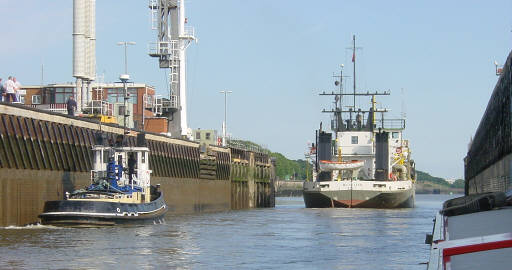
Boats at Eastham Lock of the Manchester Ship Canal
Motorway over the Manchester ship canal
Image of Manchester Ship Canal during construction work
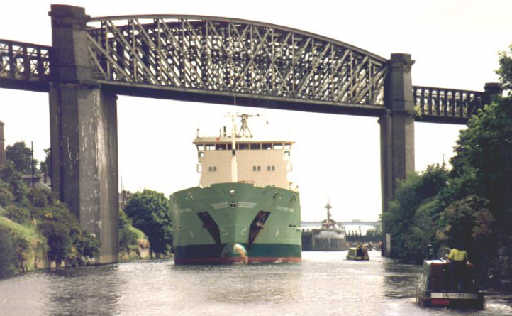
Ship under bridge in Manchester Ship Canal
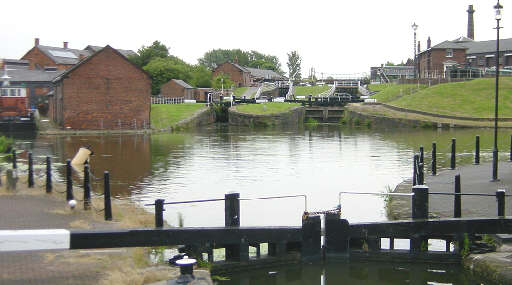
Picture of Manchester ship canal
Image of Manchester ship canal
A cargo vessel in Manchester ship canal
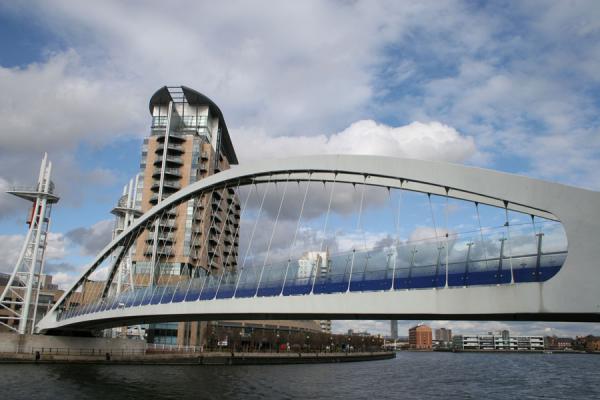
Footbridge crossing over the Manchester ship canal


Sunday, 21 August 2011

Grand Canal, Venice, Italy

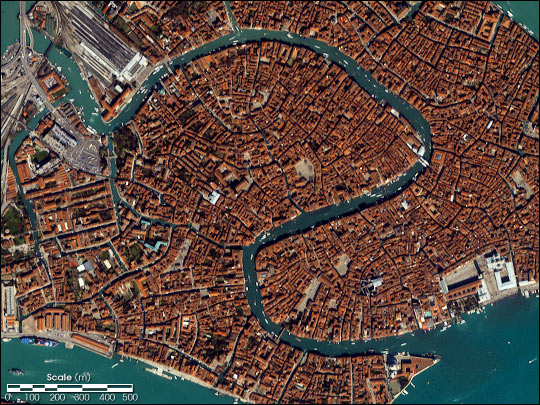
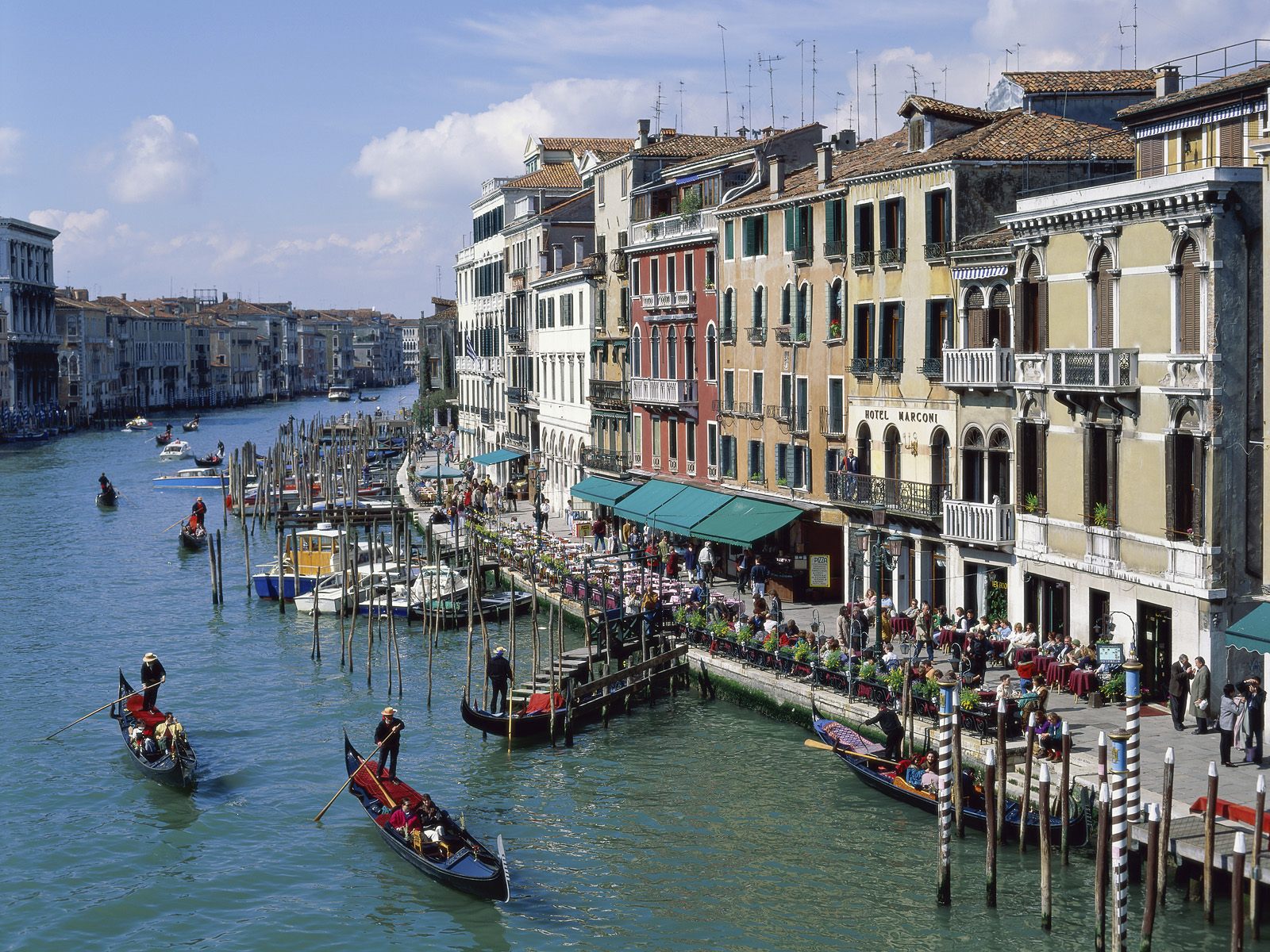
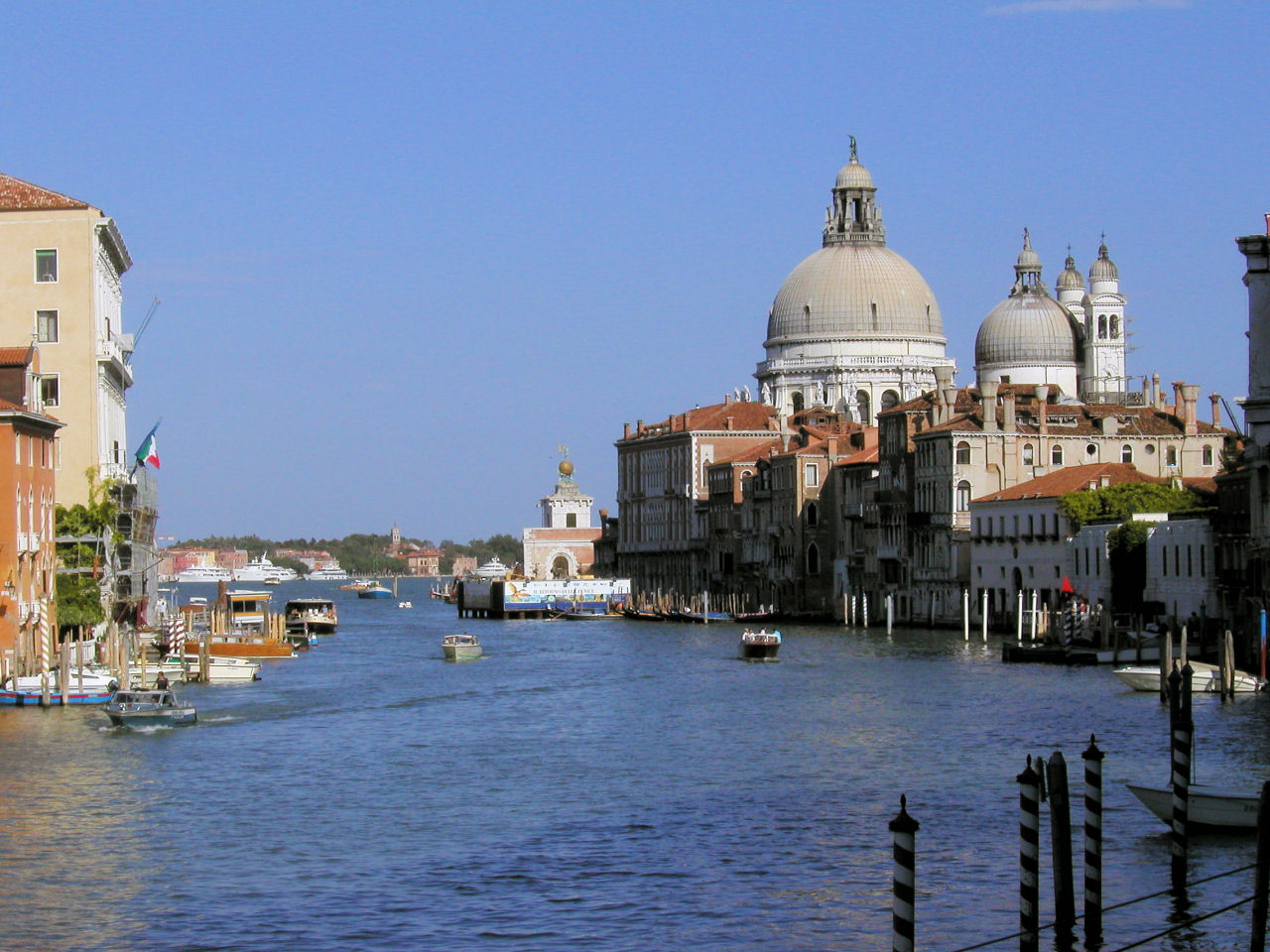
The Grand Canal is a canal in Venice, Italy. It forms one of the major water-traffic corridors in the city. Public transport is provided by water buses and private water taxis, and many tourists explore the canal by gondola (traditional, flat-bottomed Venetian rowing boat). At one end the canal leads into the lagoon near Santa Lucia railway station and the other end leads into Saint Mark Basin in between it makes a large S-shape through the central districts (sestieri) of Venice. It is 3,800 m long, 30–90 m wide, with an average depth of five meters.

Image of Grand CanalImage of Grand Canal
Picture of Grand Canal
Photo of Grand Canal
Image of Grand Canal
Satellite view of Grand Canal
Curve of Grand Canal
Sun set at Grand Canal
Image of Grand Canal


Wednesday, 17 August 2011

Panama Canal

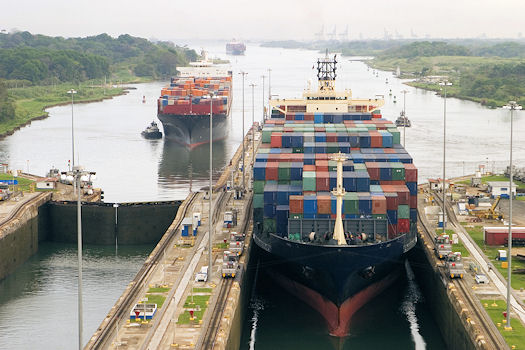
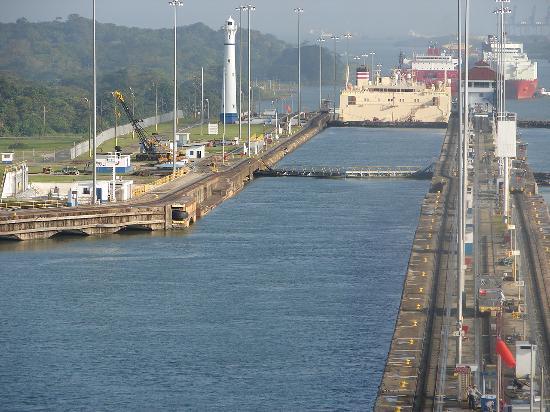
The Panama Canal situated in Panama that joins the Atlantic Ocean and the Pacific Ocean. It is a key conduit for international maritime trade. The length of the Panama Canal is 80 kilometers from the deep waters of the Atlantic to the deep waters of the Pacific. The construction of the canal was started in 1904 which completed in 1914. One of the largest and most difficult engineering projects ever undertaken, the canal had an enormous impact on shipping between the two oceans, replacing the long and treacherous route via either the Strait of Magellan or Cape Horn at the southernmost tip of South America. A ship traveling from New York to San Francisco via the canal travels 9,500 km, reduces more than 50% of distance and time around Cape Horn. A ship takes an average of 8 to 10 hours to transit the Panama Canal. At the end of fiscal year 2010, 1,001,037 vessels had used the waterway since its opening. The maximum size of vessel that can use the canal is known as Panamax. The longest ship ever to transit was the San Juan Prospector, now Marcona Prospector, an ore-bulk-oil carrier that is 973 feet long, with a beam of 106 feet. The Panama Canal has a work force of approximately 9,000 employees. It has been named one of the seven modern wonders of the world by the American Society of Civil Engineers.


A cargo ship crossing Panama Canal

A cargo ship crossing Panama Canal

Image of Panama Canal

An image of Panama Canal


A ship is tugged by tuggin boats in Panama Canal

Monday, 15 August 2011

Suez Canal

The Suez Canal is an artificial sea-level waterway in Egypt. It connects the Mediterranean Sea and the Red Sea. It was opened in November 1869 after 10 years of construction work. The canal was 164 km long and 8 m deep when it was built. After multiple enlargements, the canal is 193.30 km long, 24 m deep and 205 metres wide as of 2010. It contains no locks, seawater flows freely through the canal. Water transportation between Europe and Asia without navigation around Africa is carried out through this canal.

The canal is owned and maintained by the Suez Canal Authority (SCA) of the Arab Republic of Egypt. Under international treaty, it may be used "in time of war as in time of peace, by every vessel of commerce or of war, without distinction of flag."


Bridge over Suez Canal
Ships in Suez Canal
Ships in Suez Canal
Map showing reduced distance from London to Mumbai due to Suez Canal
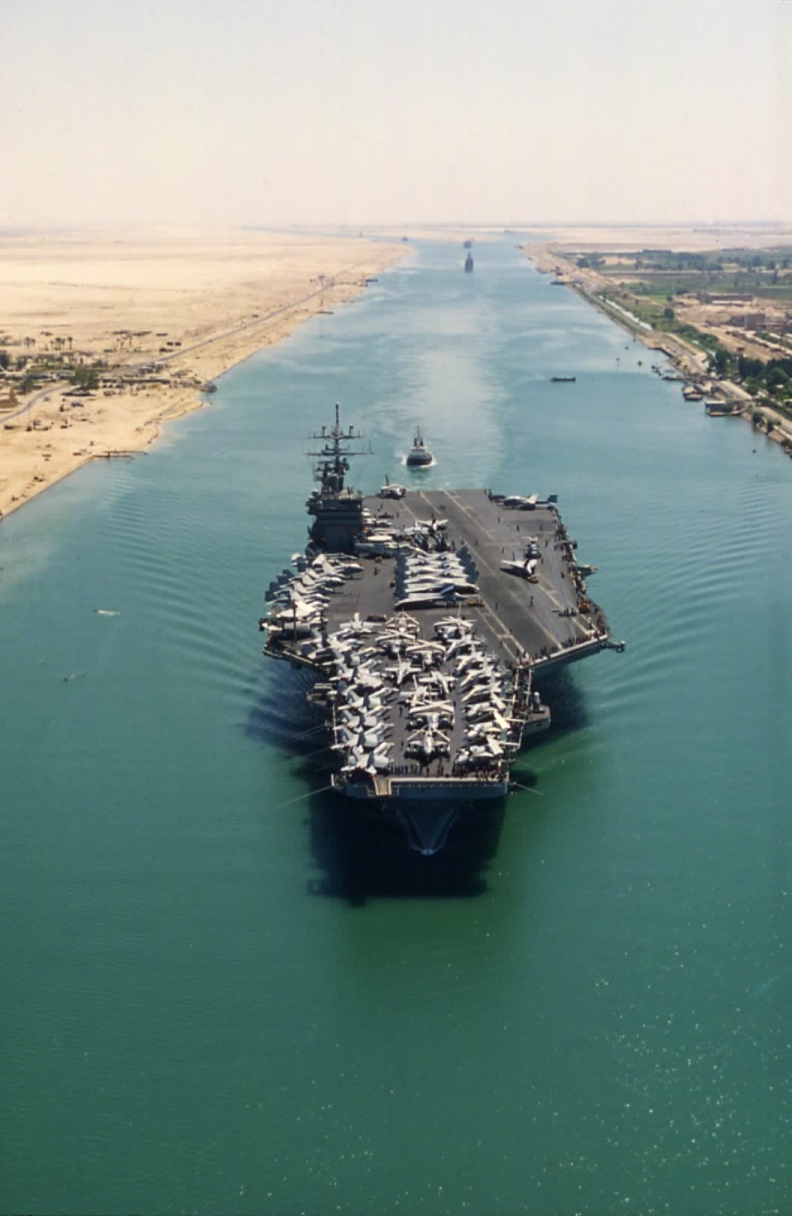
Aircraft carrier ship crossing Suez Canal


Saturday, 13 August 2011

Introduction of Canal


Canals are man-made channels for water. There are two types of canal waterways and aqueducts. Waterways are used for navigable transportation to carry ships, boats, shipping goods and conveying people. These canals connected to existing lakes, rivers, or oceans e.g. Suez Canal, Erie Canal, and the Panama Canal. Aqueducts water supply canals are used for the conveyance and delivery of water for human consumption, municipal uses, agriculture irrigation and to produce electricity.


A view of Panama Canal
A canal in India
Amsterdam Canal
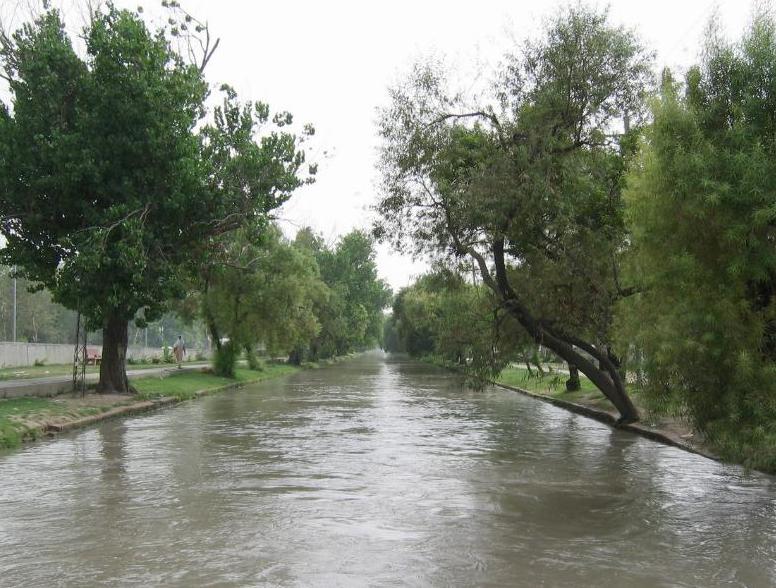
Image of canal Lahore, Pakistan

A satellite view of canal carrying water to Ghazi Barotha Dam, Pakistan